
Summer Sun Protection Guide 2026: Sun Safety Tips: Sunscreens, Sunnies & UPF Clothing
KRON's LIVe In THe Bay! TV segment
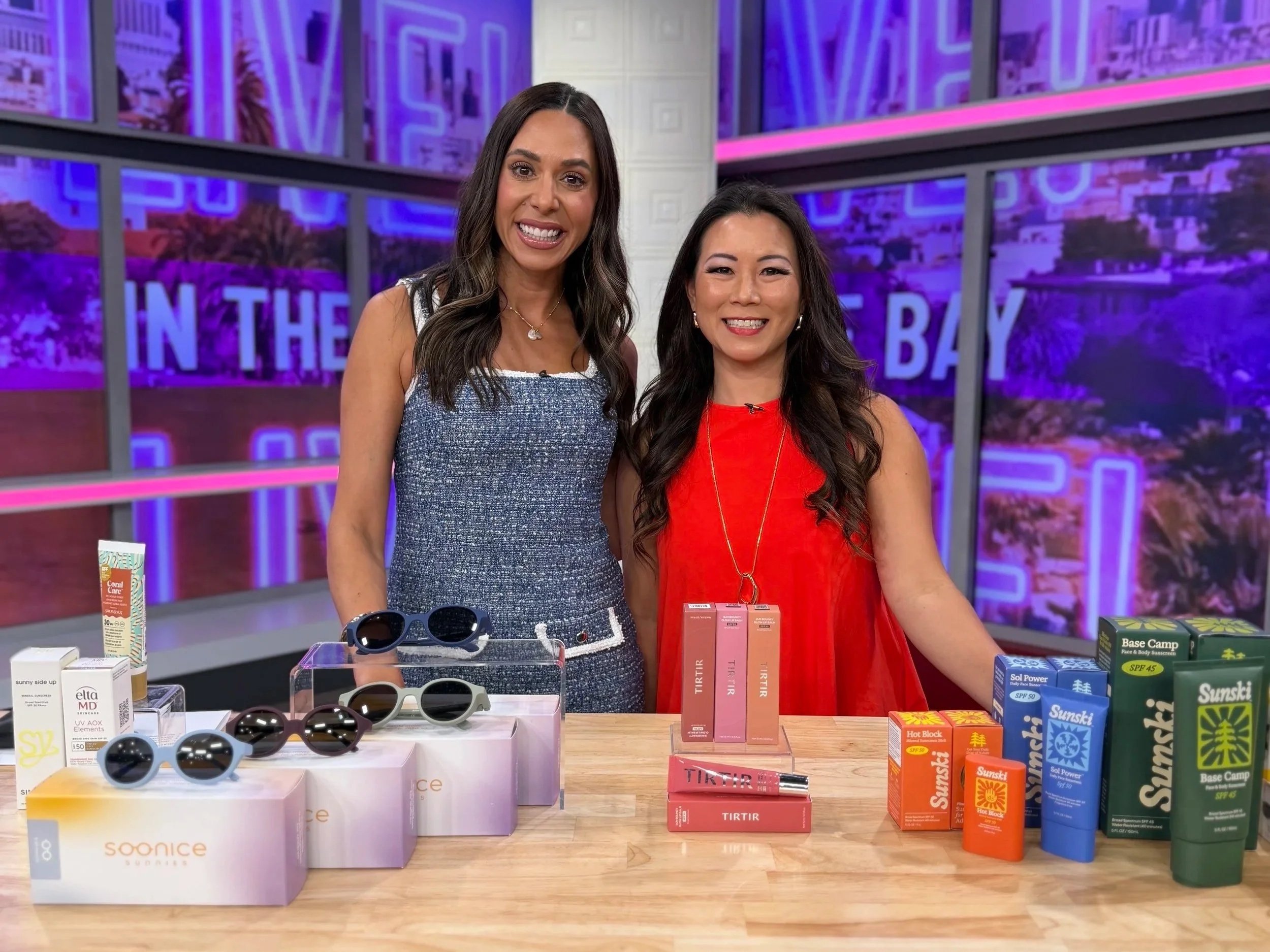
I had so much fun sharing some of my favorite sun protection finds on Live in the Bay on KRON4 with Jessica Wills!
As an environmental journalist, documentary filmmaker, surfer, diver, and mom, I spend a lot of time outdoors. Whether I'm filming in Australia on the Great Barrier Reef, surfing California waves, hiking with my family, or traveling for stories, sun protection has become something I've researched extensively over the years.
After all, skin cancer is one of the most common cancers, and beyond the health risks, years of UV exposure can also lead to premature aging, sunspots, and wrinkles. The good news? A few simple habits can dramatically reduce your exposure while still letting you enjoy the outdoors.
Here are some of the biggest takeaways from my KRON4 segment, along with some of my favorite products that I use myself.
The Biggest Sunscreen News of 2026
One of the biggest sunscreen stories this year is the FDA's approval of bemotrizinol (BEMT), a new chemical UV filter that was officially approved in June. It's the first time there have been any changes to sunscreen regulations since the late 1990s.
This is exciting because BEMT has already been used safely throughout Europe and Asia for decades and offers excellent broad-spectrum UVA and UVB protection. Consumers will likely begin seeing products formulated with it in the United States early next year, giving Americans access to even better sunscreen options than we've had in the past.
Mineral vs. Chemical Sunscreen: Which One Is Better?
This is probably the question I get asked the most.
After interviewing the Environmental Working Group's head scientist Alexa Friedman, one piece of advice has stuck with me:
The best sunscreen is the one you're actually going to wear—and reapply.
Both mineral and chemical sunscreens work well when used correctly.
Chemical Sunscreens
Chemical sunscreens absorb UV rays before they damage your skin. They're lightweight, easy to blend, and don't leave a white cast, making them a favorite for everyday wear.
Products I’ve been recently testing out (which happen to all be K-beauty ones!)
Medicube No cast Just Dew
Mineral Sunscreens
Mineral sunscreens use zinc oxide and/or titanium dioxide to sit on top of your skin and physically block UV rays. I personally prefer mineral sunscreens when I'm surfing, diving, snorkeling, or spending long days outside because they tend to stay put better during water activities.
They're also a great option for sensitive skin and are commonly recommended for babies and young children.
Products I have used:
SurfMud- my go to for surf days, I stock up every time I go to Australia since they dont sell it in the U.S.
AvaSol sun stick - similar consistency to Surfmud, I like their plastic free packaging, does get everywhere hard to get off
EltaMD tinted - a staple for everyday wear
Sincerely Yours Sunny Side Up - formulated for younger skin, but liking it so far
Stream2Sea - loving their brand ethos and commitment to conservation, transparency and research in their ingredients
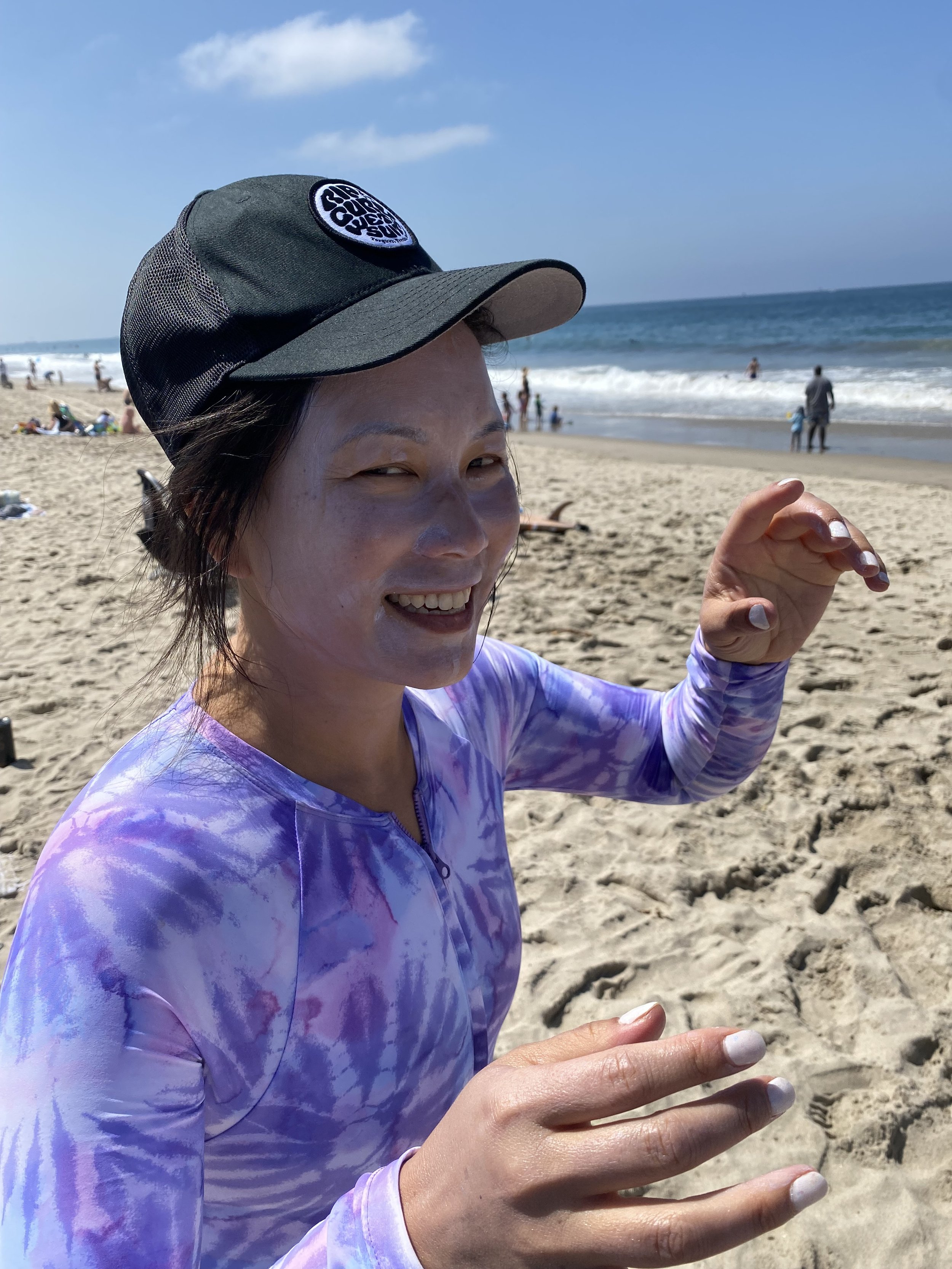
Before I knew how to put mineral sunscreen on right. SMH
One mistake I see all the time is how people apply mineral sunscreen. Instead of rubbing it all in immediately, (like I did in this photo) I like to dot it across my forehead, cheeks, nose, and chin, then connect the dots and blend in. A little goes along way, and it gives much more even coverage.
If ingredient labels feel overwhelming, I recommend checking out the Environmental Working Group's annual sunscreen guide or using the Yuka app to compare products.
Protect Your Eyes, Too
We spend so much time talking about protecting our skin that we often forget about our eyes.
Children's eyes are especially vulnerable because they allow more UV light to reach the retina (up to 70% more) than adult eyes. Sunglasses shouldn’t be considered as just a fashion accessory but protective equipment and building healthy sun habits early really can last a lifetime.
One brand I've recently discovered is SooNice Sunnies, designed specifically for babies and kids from six months through eight years old.
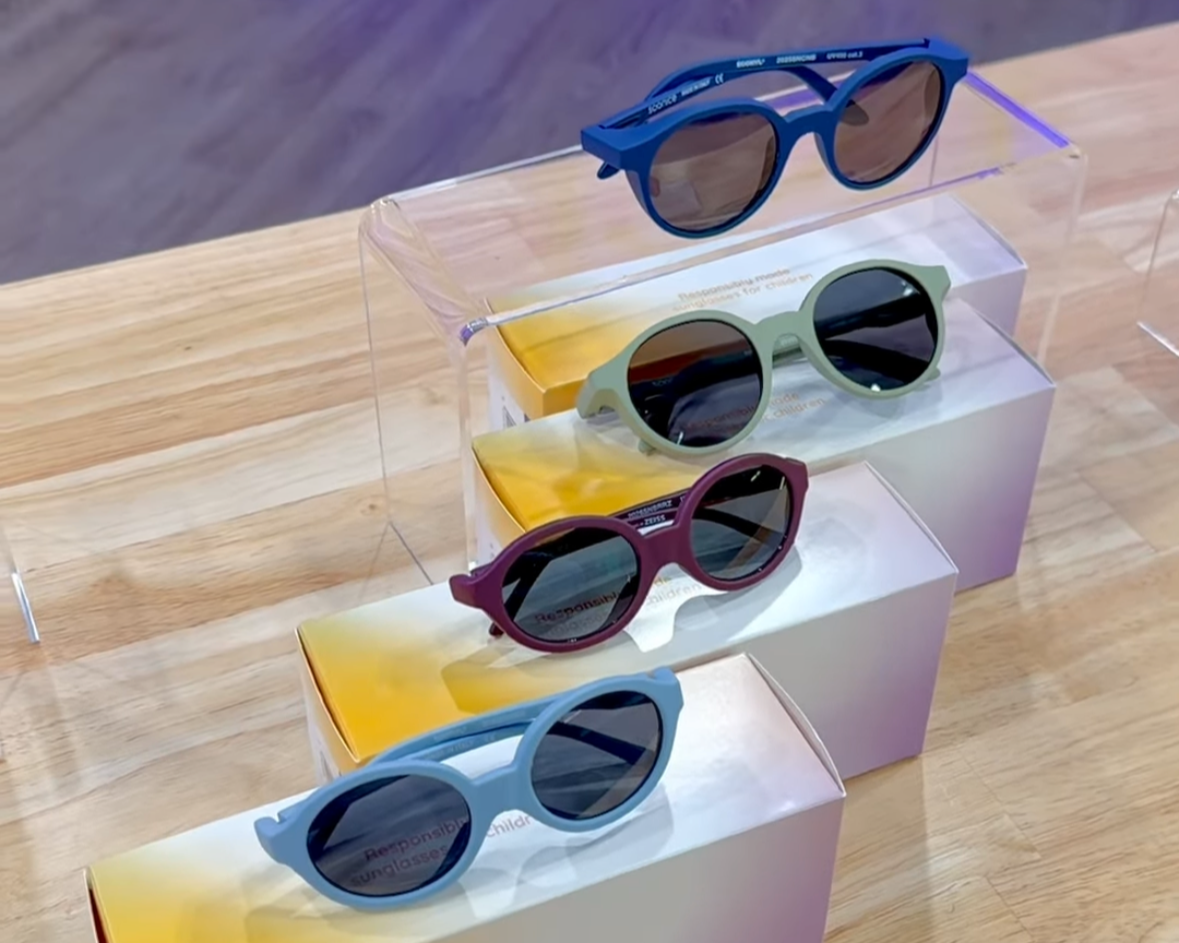
I love that they're:
100% UVA and UVB protective
Lightweight and flexible, scratch resistant
Made with recycled materials, designed in Austria and made in Italy
Designed with side shields to help block UV rays coming from the sides
They're practical, durable, and actually stay on active little ones.
Don't Forget These Easy-to-Miss Spots
Even people who are diligent about sunscreen tend to forget the same places.
Before heading outside, don't forget:
Ears
Back of the neck
Tops of your feet
Hands
Your scalp (especially along your part)
Lips
An SPF lip balm is always in my bag. I especially love the newer mineral formulas from Korean beauty brands that also come with a subtle tint, making them easy to wear every day, like this one from Tir Tir.
My Everyday Sun Kit
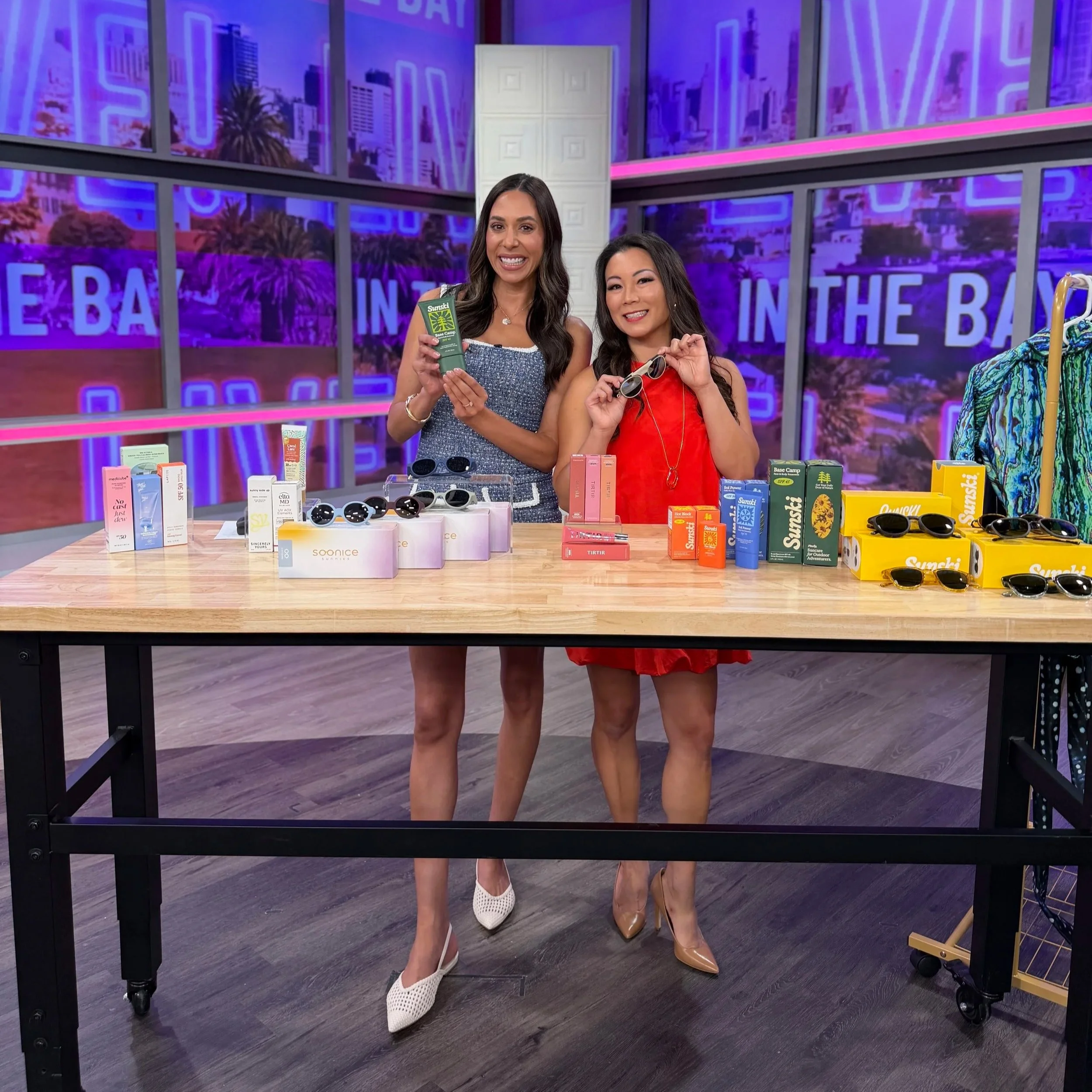
Sunski Daily Nature Kit with polarized sunnies and sunscreen to make it easy to get outside fast
One of the easiest ways to make sun protection a habit is to keep everything together.
I love what Sunski has created with its Daily Nature Kit because it's designed for people who spend time outside every day—not just on beach vacations.
Whether you're walking the dog, hiking, surfing before work, coaching soccer, or simply taking a lunchtime walk, it's built around making nature part of your everyday routine.
Many people know Sunski for its polarized sunglasses, but they've recently expanded into sunscreen while continuing their sustainability mission with recycled and bio-based materials.
Their sunscreen line is simple and no nonsense, built with K-beauty innovations.
Sol Power SPF 50 Daily Face Sunscreen for everyday moisturizing protection.
Hot Block SPF 50 Mineral Sunscreen Stick that's perfect for reapplying on the go.
Base Camp SPF 45 Face & Body Sunscreen, launching this summer for all-over protection during longer adventures.
Again, the best sunscreen is the one you'll actually use—and remember to reapply every two hours.
UPF Clothing Is One of the Best Investments You Can Make
If I'm going to be outside all day, sunscreen alone isn't enough.
UPF clothing has become one of my favorite ways to protect my skin because the protection never washes off or sweats away.
I wore my Slip Ins Surfskins UPF 50+ suit while filming my latest documentary, Guardians of Sea Country, about Indigenous knowledge working alongside modern science to help restore Australia's Great Barrier Reef. Spending long days on the water under the Australian sun, that extra protection made a huge difference.
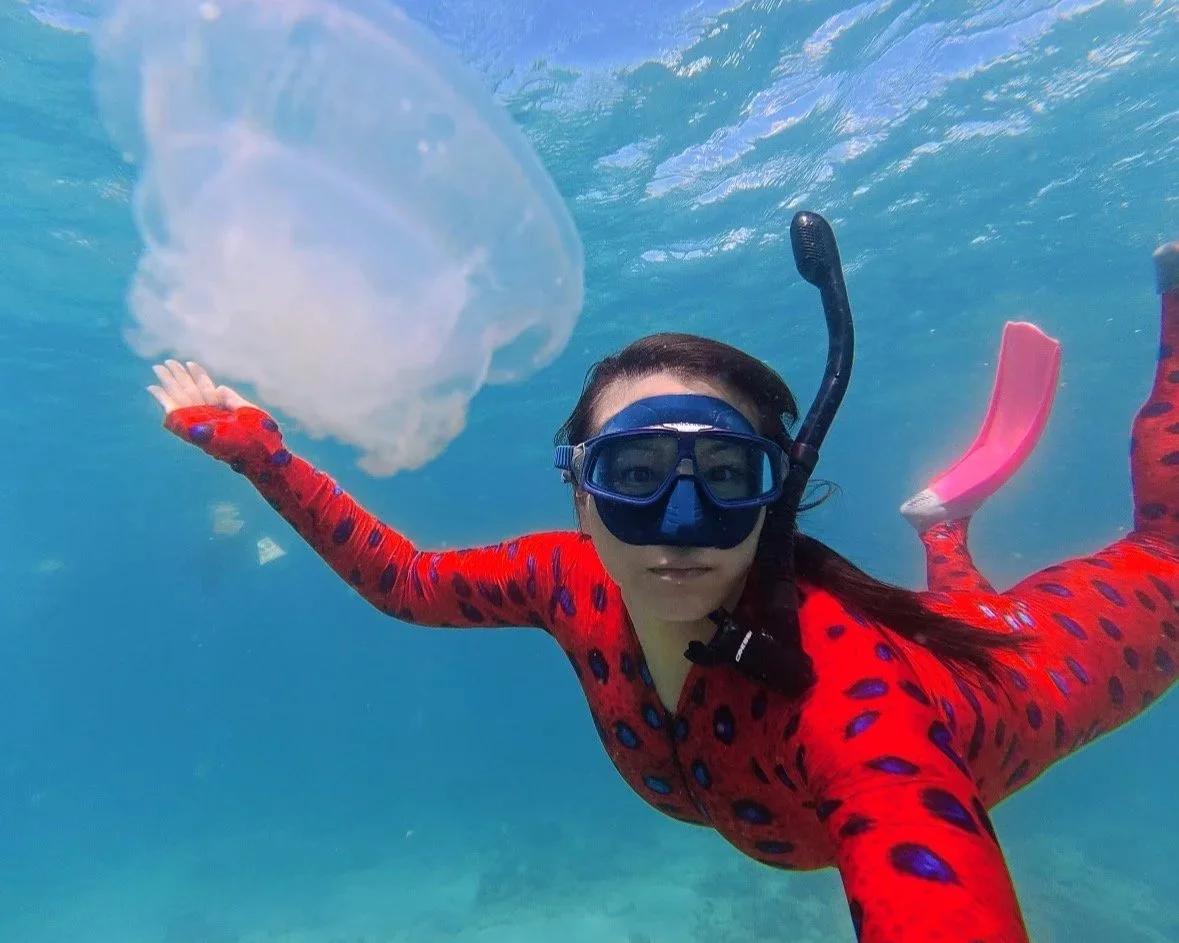
For everyday life, I've also been loving the Splendid Sunsoft UPF Collection. The pieces are lightweight, breathable, incredibly soft, and stylish, they can go seamlessly from the beach to happy hour and are UPF50+ for up to 40 washes. They also have aloe-infused sweats! that are perfect for post sun chill vibes.
I'm Officially in My "Ajumma Visor" Era
Growing up, I used to laugh at all the oversized visors and umbrellas I'd see throughout Asia.
Now? I totally get it.
There's a reason people joke that "Asians don't raisin." While genetics certainly play a role, so does a culture of taking sun protection seriously. Hats, visors, UPF clothing, and seeking shade are simply part of everyday life.
These days, I'm proudly embracing my Ajumma visor era—and honestly, it's one of the easiest ways to protect your skin.
Think in Layers
My biggest takeaway is to think about sun protection in layers.
✔ Sunscreen
✔ Polarized sunglasses
✔ Hats or visors
✔ UPF clothing
✔ Reapply every two hours
✔ Seek shade whenever possible
The goal isn't to avoid the outdoors—it's to enjoy it safely.
I hope these tips help you spend more time outside doing what you love while protecting your skin for years to come.
If you missed my segment on Live in the Bay, you can watch the recap and find more travel, sustainability, wellness, and outdoor adventures right here on Chasing A Sun.
Happy adventuring—and don't forget your sunscreen!
FAQS About Sun Protection
Is mineral sunscreen better than chemical sunscreen?
Not necessarily. Both mineral and chemical sunscreens are effective when used correctly. Mineral sunscreens use ingredients like zinc oxide and titanium dioxide to create a physical barrier on the skin, while chemical sunscreens absorb UV rays before they can damage your skin. I personally reach for mineral sunscreen when I'm surfing, diving, or spending long hours outdoors, and hybrid or chemical formulas for everyday wear because they're lightweight and easy to apply. As the Environmental Working Group's head scientist told me, the best sunscreen is the one you'll actually wear—and reapply.
What is bemotrizinol (BEMT), and why is everyone talking about it?
Bemotrizinol (BEMT) is a broad-spectrum chemical UV filter that has been widely used throughout Europe and Asia for more than 20 years. In June 2026, the FDA approved it for use in the United States, marking one of the biggest sunscreen updates in decades. You'll likely start seeing it in U.S. sunscreen formulations in 2027, giving consumers more high-performance options for UVA and UVB protection.
How often should you reapply sunscreen?
Dermatologists recommend reapplying sunscreen every two hours, or immediately after swimming, sweating, or towel drying. Even water-resistant sunscreens need to be reapplied to maintain protection.
What SPF should I use every day?
For everyday use, choose a broad-spectrum SPF 30 or higher. If you're spending extended time outdoors—whether hiking, surfing, skiing, or at the beach—consider SPF 50 and remember that no sunscreen lasts all day without reapplication.
What parts of the body do people usually forget?
Some of the most commonly missed areas include:
Ears
Back of the neck
Tops of the feet
Hands
Scalp (especially along your hair part)
Lips
These areas receive significant UV exposure and deserve just as much attention as your face.
Are polarized sunglasses enough to protect your eyes?
Polarized lenses reduce glare, making them excellent for driving, boating, fishing, skiing, and water sports. However, polarization alone doesn't block UV rays. Always look for sunglasses labeled 100% UVA and UVB protection, especially for children.
Is UPF clothing better than sunscreen?
It's not an either-or situation. UPF clothing provides consistent sun protection that doesn't wear off or require reapplication, making it one of the easiest ways to reduce UV exposure. I think of sun protection as a layered approach: sunscreen, sunglasses, hats, UPF clothing, and seeking shade whenever possible all work together to keep you protected.
What is the best overall sun protection strategy?
The easiest way to remember it is to think in layers:
Broad-spectrum sunscreen (SPF 30 or higher)
Polarized sunglasses with 100% UV protection
A wide-brim hat or visor
UPF clothing for longer days outdoors
Reapply sunscreen every two hours
Seek shade during peak afternoon sun